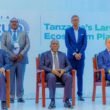


Col. Joeph Simbakalia, Director General of Tanzania’s Export Processing Zones Authority (EPZA) has recently announced that the two schemes under the authority, the Export Processing Zones (EPZs) and the Special Economic Zones (SEZs) have generated USD 1 bln in foreign currency since their introduction in 2008.
“When the [EPZA] initiative was established foreign exchange earnings was just USD 22 mln per annum but this has shot-up to about USD 200 mln”, Simbakalia explained.
During the same period the processing and manufacturing capacity that resulted form investments challenged via EPZA has generated 36,000 jobs for Tanzanians, Simbakalia has stressed, in addition to bringing in capital, technology and expertise to boost industrialization.

Simbakalia also clarified that the government’s strategy is to favor Tanzania’s industrialization by establishing a conducing framework for private investments, rather than setting up state-owned factories.
EPZA was established in 2006 with a core objective of building a strong export-led economic development through industrialization.
At that time EPZA was mandated to coordinate and promote the Export Processing Zones (EPZ) regime in Tanzania, a scheme to attracts investors undertaking processing and manufacturing activities for export purposes.
In order to increase Tanzania’s competitiveness in attracting more investors, EPZA was further mandated to coordinate the broader SEZ scheme in 2011.
EPZs and SEZs provide a number of specific incentives for investors operating within them, which include fiscal and non-fiscal incentives, including 10 years corporate tax holidays, duty and VAT exemptions, and visas at entry point for key technical staff.

Want to know more about Trade in Tanzania? Our free overview of the Tanzania Business and Investment Guide 2026 covers Trade, plus key sectors and investment opportunities. The complete 141-page edition includes policies, taxation, key regulations, full macroeconomic data, and sources, and is also available at no cost upon completion of a short form.
Download Free OverviewGet the Full Edition for Free